hero

Tax Reset

Let’s invest in people. Not property.

It's time for a tax reset that increases incomes, makes homes affordable and safeguards retirement.

New Zealand runs on a tax system built in 1986. We're hurting from a cost-of-living crisis, unaffordable homes and a creaking retirement system, because we're taxing and spending for a different era.

It's time to ensure real security for every Kiwi β€” so every Kiwi can contribute.

Opportunity's Tax Reset is a fully-funded package of three reforms - a Citizen's Income so everyone can afford the basics, a Land Value Tax to lower house prices and Kiwisaver 2.0, a compulsory superannuation system.

The Tax Reset will improve life for every kind of Kiwi.

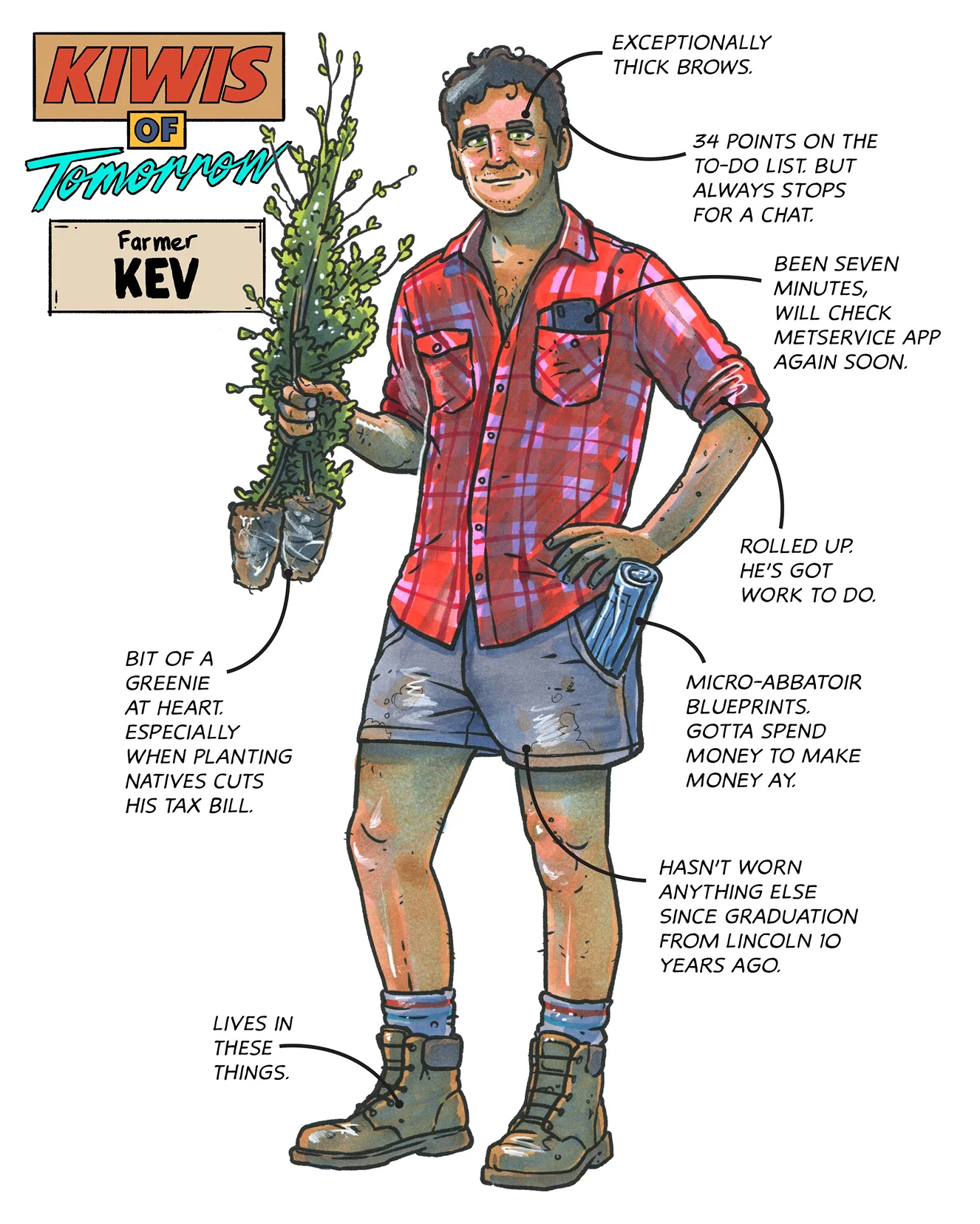
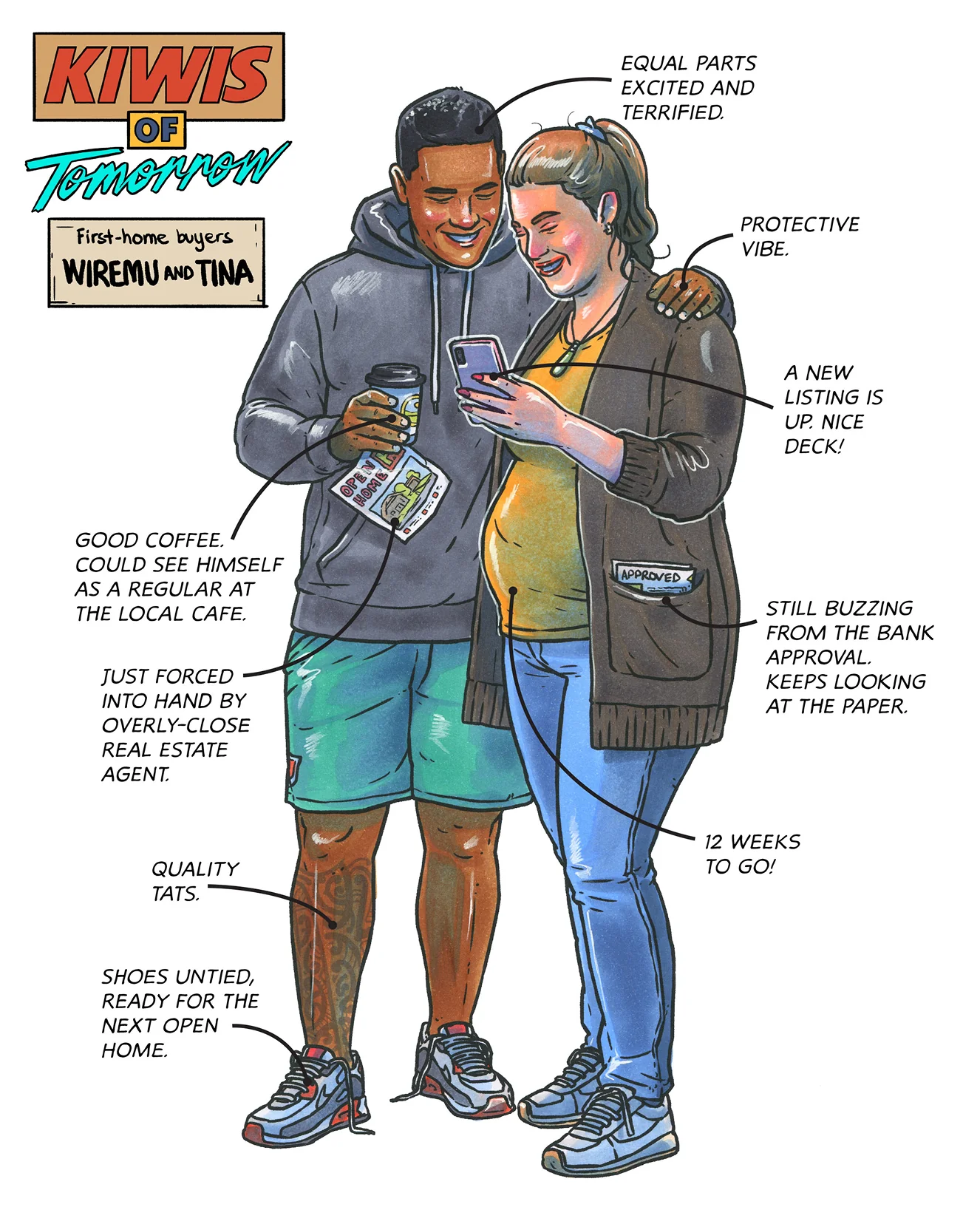
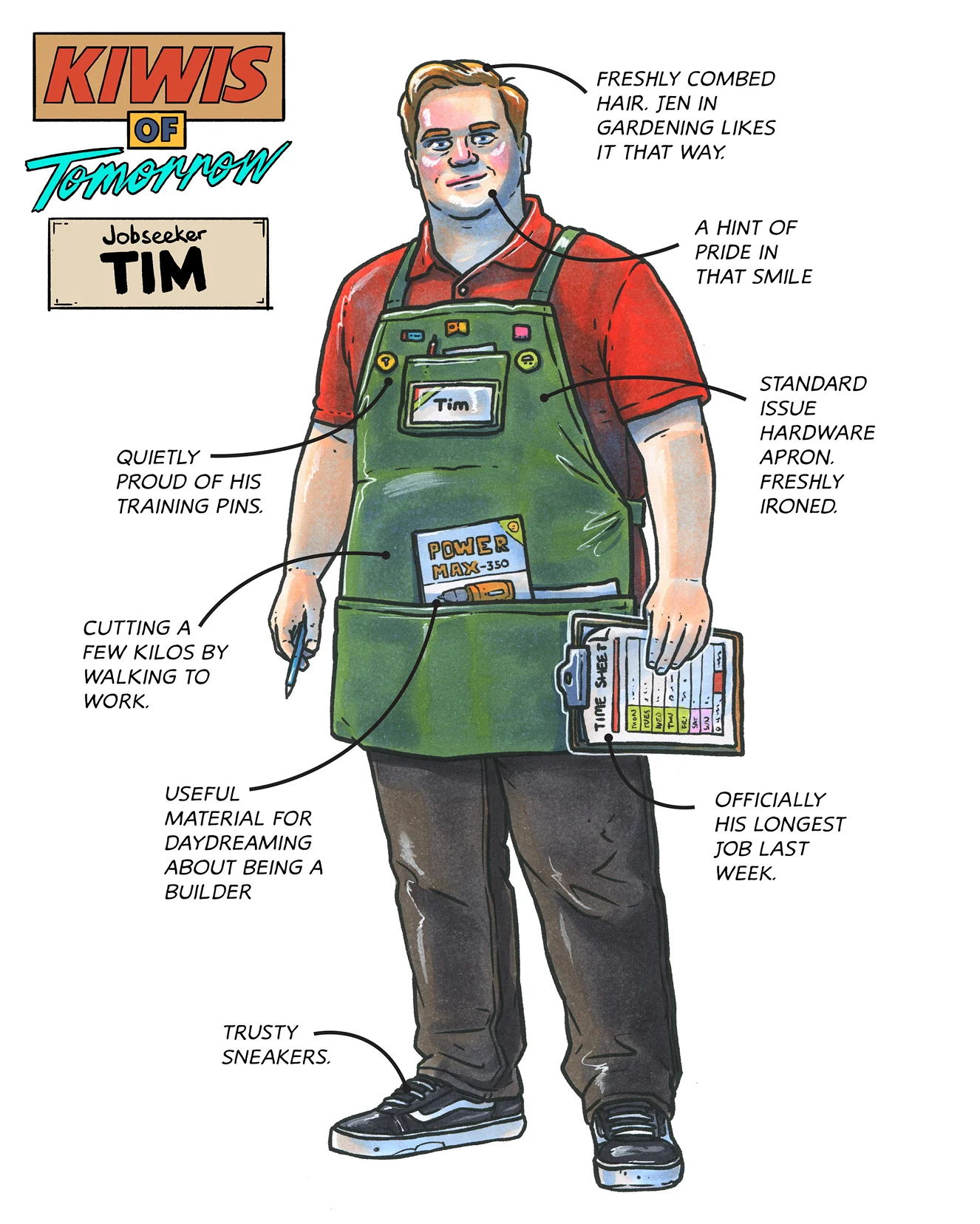
Meet the Kiwis of Tomorrow crew to find out how.

Will I be better off?

Find out with the Opportunity Party Tax Reset calculator.

CALCULATOR ›
Tax Reset Calculator

For working Kiwis who rent,
this is the largest tax cut in NZ history.

Three pillars for a future-fit tax system

Citizen's Income

The Citizen’s Income ensures that every Kiwi has the basics to live well and contribute.Β 

Almost all adults will get up to $370 ($19,400 a year) paid into their account weekly.Β 

The Citizen’s Income replaces most benefits, with top-up support available for superannuitants, parents and others.

The Citizen’s Income is paid for by introducing a Land Value Tax.

Land Value Tax

A Land Value Tax makes housing affordable by shifting the tax load off working people and onto land.Β 

The 1.75% annual tax applies to the value of land only and will discourage land-banking and large property portfolios - redirecting money into businesses instead.Β 

For β€˜land rich, cash poor’ Kiwis like farmers and retirees, exemptions and deferrals may apply.

Kiwisaver 2.0

To ensure that every Kiwi can retire with dignity (without the country going broke) we'll introduce a compulsory retirement contributions system.

Over time, employee and employer contribution rates will rise to 6% - building a trillion-dollar capital pool to fund infrastructure and national development.

The Tax Reset will increase incomes for 70% of New Zealanders.

Another 20% will see no change.

Download the
full Tax Reset policy

DOWNLOAD

Download the
Tax Reset Transition Plan

DOWNLOAD

The Tax Reset will…

Ease the cost-of-living crisis

When groceries feel out of reach, things need to change. The Citizen’s Income will put $370 per week into most adult’s hands – providing the financial security to live well and contribute. This is the largest tax break for low-income working people in New Zealand history and lifts 50,000 Kiwi families out of poverty - without businesses needing to pay higher wages.

Reward work. Always

The current benefit system traps people. It’s not right that a few shifts at the local cafΓ© can be taxed up to 90%, or that people have to spend hours in WINZ offices to get support. A Citizen’s Income (with top-ups for those who need it) replaces the bureaucracy of the benefit system with a few lines of code - removing these punishing extra tax rates for taking on part-time work. It offers every Kiwi the financial security to enter work, study, start a business, raise a family or support their community.

Raise resilient families

In a time of AI-driven job losses and global economic shocks, we need a system that will back every Kiwi in a crisis. The Tax Reset simplifies financial support by cutting out the Government middle-man and paperwork load – so families can spend money their way. That might mean supporting a sick relative, retraining, spending more time together as a family, building a buffer for unexpected bills or starting a new business. The goal of the Tax Reset is the same for every Kiwi, at every stage of life – to ensure genuine opportunities that build financial security.

Make housing affordable

A home means security and stability. But our housing market has locked out a generation of Kiwis. A Land Value Tax will bring house prices down by a projected 10-15%, encouraging money to flow to business investment instead of property and increase high-density development in our cities

Future-proof retirement

We are staring at a superannuation cost cliff. Unless we act now, we’ll face some harsh choices - like cutting services or raising taxes on young people – to pay for pensions. Kiwisaver 2.0 will soften the landing. It ensures that every Kiwi contributes to their retirement, our businesses play their part and that we can use our collective capital to fund the infrastructure we need now.

Kickstart the economy

Real economic growth comes from people, not property. Working together, a Citizen’s Income and Land Value Tax means everyday people have more money to buy everyday things – like groceries and school uniforms. This is real, grassroots growth. By discouraging land speculation and large property portfolios, we can redirect investment towards business, innovation and hiring, and away from housing.

Simplify the tax system

Our tax and welfare system is a paperwork maze. The New Foundations package simplifies the system by replacing most benefit classes with the Citizen’s Income (plus several top-up allowances), automating the work of an estimated 2,000+ public servants in the Ministry for Social Development and reducing tax brackets to three tiers (28%, 34% and 39%).

New Zealand beach

The Tax Reset will lift 50,000 Kiwi families
out of poverty.

Frequently asked questions

How will you pay for the Citizen's Income?

The policy as a whole is fiscally positive. Based on 2024 numbers, the Land Value Tax pays for the Citizen’s Income with around $4 billion left over for other investments. Check out the policy document for a full breakdown.

Is the Citizen’s Income just giving people money to do nothing?

No. Fairness and efficiency sit at the heart of the Tax Reset. But we get it. At first glance, the Citizen’s Income can feel confronting. We believe it’s the right policy for New Zealand for three reasons:

  • The current benefit system is a mess. It traps people in poverty by penalising them with 70%+ effective tax rates when they take on part- time work. People spend hours filling in paper work at WINZ offices or wasting employers time in job interviews they don’t want to be at. Under a Citizen’s Income, work always pays and we won’t waste billions every year on bureaucracy.
  • The benefit system is straining. It will not cope with the unemployment challenges that economic shocks, extreme weather or AI disruption will throw at us. The solution is to look towards the universal income system that already works well in New Zealand - NZ Superannuation. NZ Super works because we value the security it offers to every older Kiwi and because the system prioritises efficiency over box ticking for every recipient.
  • At $19,400 per year, the Citizen’s Income is not enough to live on. The research shows that people don't stop working when they get it - instead they get the basic security needed to retrain for better jobs, start businesses, take time to find the right job (rather than the first job) or care for children or family without going broke.
What happens to NZ Superannuation?

No-one who relies on NZ Superannuation will receive less than they currently do under the Tax Reset. Under the policy, NZ Superannuation will be replaced by the Citizen’s Income, combined with a top-up figure that brings the total payment into line with current NZ Super rates. In the longer term, as Kiwisaver balances grow under our Kiwisaver 2.0 system, this top-up could be reduced more in line with income, so that wealthier superannuitants pay more of their own way.

What will happen to people with disabilities living on benefits?

No one on a current benefit will receive less income than they do currently - including Kiwis with a disability. The Citizen's Income will not replace disability supports targeted at specific needs such as transport or assistive technology. Necessary top-ups to the Citizen's Income for those on higher benefits have been included in our costing.

Day-to-day life on a disability benefit will improve under the Tax Reset - thanks to less paperwork and the ability to take on the right kind of work (at the right hours) without being penalised by losing benefits.

Be straight up. Who wins and who loses from the Tax Reset?

Renters and lower income workers will benefit the most from the Tax Reset. This group will see a significant income tax cut (the largest in New Zealand history) and benefit from more affordable housing.

Most homeowners will either get a smaller tax cut, stay the same, or see a small tax increase - depending on their income and property value.

People on a benefit will not receive any additional income unless they are supporting children, but will benefit from a more efficient system that removes the β€˜poverty trap’, where taking on work incurs effective tax rates of 70% or more.

Some β€˜asset rich, cash poor’ Kiwis (like older New Zealanders and farmers) will be incentivised to make different choices under the Tax Reset. For example, a retired couple could reduce their tax bill by downsizing their home or shifting into renting (freeing up that home for the next generation). A farmer may choose to plant marginal farmland into native forest (for a tax cut), invest in more productive land-uses or sell part of their farm to a young farmer. To ensure retirees and farmers are supported through the decade-long Tax Reset transition, lower rates, deferrals and exemptions are included in the policy.

People who own a large property portfolio or are landbanking will see lower profits, and be incentivised to invest their money in more productive sectors of the economy.

We recognise that some Kiwis will have to make different choices under the Tax Reset. But we’re confident that this policy offers New Zealand the smoothest, most controlled exit off our current pathway to fiscal crisis. That’s a road that leads to some really painful choices - so let’s change our direction today.

Will the Land Value Tax bring house prices down?

Yes, That's the point. We project that a 1.75% annual Land Value Tax on residential and commercial land would cause a 10-15% reduction in property prices. Ideally this would be spread over a number of years as the market factors in the tax - which we cover in our Tax Reset transition plan. The LVT achieves this downward pressure by making it less profitable to hold property for speculation - encouraging landowners to either develop their land to cover the tax, or sell it to others.

We understand that this will be confronting for home-owners. People who have bought a house expecting it to appreciate in value, followed the tax system incentives. But when we factor in the $19,400 annually from the Citizen's Income, most homeowning households will be better off.

Under an LVT, collectively we’ll build an economy that avoids crazy boom cycles (like in 2020-2022) and ensures the next generation of Kiwis get the security and stability of a home too.

Are these new ideas? Have they been tested before?

The Land Value Tax is an old idea and we use a version of it today in the form of council rates. It’s used at council and regional levels in places like Denmark, Taiwan and several Australian states too.

In fact, NZ was a world leader in introducing a Land Value Tax in 1878, and it wasn't fully removed until the 1980s. With the property market strangling our productive potential - it’s time to bring it back at the national level.

The Citizen’s Income (otherwise known as a Universal Basic Income) is a newer idea. Countries like Finland and Ireland are expanding trials of the system after seeing how income security enables people to study, start businesses, care for family or step-up in their community.

All that said, we understand this is a big change. But the problems the Tax Reset is trying to solve - like housing unaffordability, the cost of living crisis and an unsustainable retirement system - have been getting worse for decades. We think New Zealand deserves a serious attempt at fixing the foundations of our society and preparing properly for AI disruption, climate shocks and economic uncertainty ahead.

What does all this mean for the Government deficit?

In a fiscally tight situation like the one we find ourselves in, you really only have three options - cut services, grow the economy or raise revenue. The Tax Reset is about doing all three in the most efficient, productive way possible. The Tax Reset will:

  • Cut services by removing the bureaucracy of the current benefit system - repurposing 2,000 Ministry of Social Development employees where they can have more impact.
  • Grow the economy by delivering a tax cut to the 70% of Kiwis most likely to spend it, and unlocking capital for business lending instead of property investment.
  • Raise revenue through the Land Value Tax. This is a fully-funded package of reforms that generates an additional $4b annually that we can use to invest in our future and reduce the deficit.
Is the Citizen's Income only for New Zealand citizens?

The Citizen's Income is for all New Zealand residents aged 18 and over who meet standard residency requirements, similar to current benefit eligibility. Prisoners generally do not receive the Citizen's Income, based on existing benefit structures, though payments may go to the caregivers of their children. Temporary or RSE workers will also require extra considerations and provisions in the Tax Reset policy, which we’ll work with impacted sectors to design.

Can you implement the Tax Reset gradually?

That's the plan! Change of this scale requires phased implementation. In our view the most effective approach would be to gradually increase LVT rates and introduce the Citizen's Income to successive age cohorts, starting with young people. Check out our Tax Reset transition plan for more details.

What about people who have worked hard and saved to buy a house?

We understand this concern deeply, and we want to be clear - the Tax Reset is not designed to punish people who own a home. Most homeowners will be better off once their Citizen'sIncome is factored in.

Many homeowners have seen their property values rise substantially over the years, often through no action of their own. That's not a criticism of anyone who bought a house and got lucky with timing. But it does point to something being wrong with the underlying system, and that's what we're trying to fix. A New Zealand where your house makes more money than you do - is not one that's working for the next generation.

The LVT corrects this imbalance. You still own your house. You still benefit from capital gains, though they'll be lower as land values adjust. Except now you live in a country where housing is affordable for your children and grandchildren, businesses can grow because capital isn't locked up in property and everyone has basic security through the Citizen's Income.

We think that's a fair deal.

What does the Land Value Tax mean for β€˜asset-rich, cash-poor’ Kiwis like retirees or farmers?

To ensure that every Kiwi is supported through the Tax Reset transition - lower rates, exemptions and deferments apply. Retirees will be able to defer their Land Value Tax - making it payable by their estate. Farmers will benefit from a 0.5% Land Value Tax, be able to exempt privately owned conservation land and defer their tax payments in tough weather or economic seasons.

What effect will the Citizen's Income have on poverty?

Our conservative estimate suggests that when fully implemented, the Citizen's Income will lift at least 50,000 families out of poverty, as measured by the BHC50 metric (50% of median household income before housing costs). This is conservative, because it doesn't account for higher economic growth, lower health costs from less stress and hardship, better educational outcomes for children in secure households or increased entrepreneurship and risk-taking.

Could a Citizen's Income reduce wages or be inflationary?

Based on trials in other countries, there is no evidence that wages are reduced. In fact, wages for the lowest-paid workers may increase because they have more bargaining power. With guaranteed income, workers don't have to accept exploitative jobs out of desperation. Employers will need to offer decent pay and conditions to attract workers. To ensure the benefits of the Citizen's Income aren't captured by employers, we would retain minimum wage protections.

It’s possible that there may be modest inflationary pressure from increased purchasing power among low and middle-income households. But this will be moderated by additional tax paid through the LVT, staged implementation giving the economy time to adjust, Reserve Bank monetary policy levers as needed and increased saving through Kiwisaver 2.0. The policy will be signaled well in advance, giving the Reserve Bank time to assess whether any adjustments are needed.

Could landlords pass on the Land Value Tax, or charge more because people get a Citizen’s Income?

The supply of land is fixed, and those who own houses don’t want to lose money with them sitting empty. So there’s a limit to Landlords' bargaining power with respect to their tenants. International evidence suggests that the expected future tax would be capitalized into land values - causing property prices and rents to reduce.

Landlords charging more rent because people receive higher incomes (via the Citizen’s Income) is a fair concern, and one we take seriously. History shows it can happen. When student allowances were increased under the last Labour government, much of that money ended up going to landlords through higher rents rather than to students themselves.

The honest answer is that in a broken housing market, any income boost risks being captured this way. This is exactly why our runaway housing market has been such a driver of inequality over the past few decades, and why we're not just introducing a Citizen's Income and hoping for the best.

The Land Value Tax is the piece that changes the underlying dynamic. By taxing land rather than income or buildings, it becomes costly to sit on underdeveloped land or run a large property portfolio. This pushes more housing into the market and encourages development of higher-density housing - more supply is the only thing that reliably brings rents down over time. A landlord can only charge what the market will bear, and when there are more homes to choose from, that ceiling drops.

The Citizen's Income and the LVT are not separate ideas bolted together. They're designed as a system. One puts money in people's pockets. The other works to make sure the housing market cannot simply take it out again.

How will a Land Value Tax impact farming businesses?

To ensure that farmers are supported through tough seasons and the broader Tax Reset transition, the Land Value Tax is reduced to 0.5% for rural land and deferrals may apply.

It’s true that farming can be a very low-margin business. For many farmers, the business model has become more about holding on for capital gains from land sales - because delivering consistent strong returns from farming practices can be such a challenge. That isn’t sustainable. Food and fibre is a critical part of NZ’s economy and we need our farmers to be profitable. That’s why the Land Value Tax sits amongst a broader policy package designed to step-change research, development and high-value food & fibre production. It is one stick amongst many carrots and is a necessary measure to reduce land prices so that young farmers can get into ownership and start innovating. When the average age of a sheep and beef farmer is pushing 60 - downward pressure on land prices is necessary for the sector’s future.

Is the Tax Reset politically realistic?

We acknowledge that the Tax Reset is a bold, transformative plan for New Zealand. But our current tax system is clearly failing - young Kiwis are leaving, economic growth is stagnating and our housing market is broken. We are standing to be a political bridge to a better, more future-fit tax system. So we’ll work with our political partners to enact the 10-year Tax Reset transition plan within the confines of MMP politics and offer them the political cover to make hard choices about the future.